
Building Communication Skills: How Therapy Supports Family Relationships
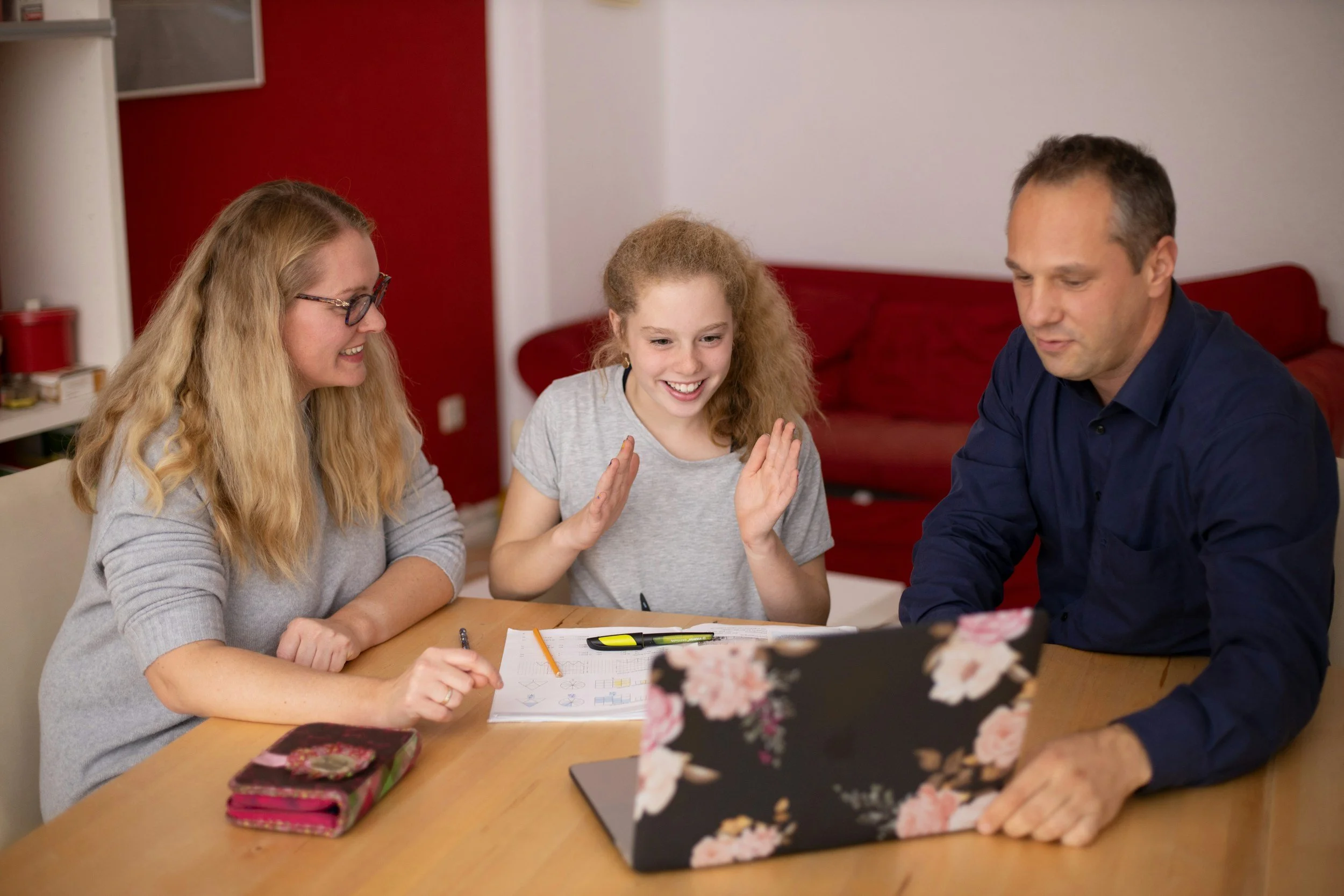
Communication is the foundation of every family relationship, but that doesn’t mean it always comes easily. In fact, many of the families I work with come to therapy not because they don’t care about each other, but because they’re struggling to feel heard, understood, or respected.
I often remind families that communication isn’t just about talking more, it’s about connecting more effectively. Therapy offers a structured, supportive space to learn how to do exactly that.
Why Communication Breaks Down
Even in loving families, communication challenges are common. Busy schedules, stress, generational differences, and strong emotions can all get in the way. Over time, small misunderstandings can turn into ongoing patterns of frustration.
Some common issues I see include:
Conversations that quickly turn into arguments
Feeling dismissed, unheard, or misunderstood
Avoiding difficult topics altogether
Reacting emotionally instead of responding thoughtfully
Differences in communication styles between parents and teens
When these patterns repeat, family members can start to feel disconnected, even if they deeply care about one another.
What Therapy Provides
Family therapy creates a neutral, guided environment where each person has the opportunity to speak and be heard. It slows down conversations that might otherwise escalate and helps families shift from reacting to understanding.
Here’s how therapy supports stronger communication:
1. Creating a Safe Space for Honest Dialogue
In therapy, each family member is encouraged to express their thoughts and feelings without interruption or judgment. This often leads to insights that might not surface during everyday conversations at home.
2. Teaching Active Listening Skills
Many people listen to respond rather than to understand. Therapy helps individuals practice truly hearing each other—reflecting back what was said, asking clarifying questions, and validating emotions.
3. Reducing Blame and Defensiveness
It’s easy for conversations to become focused on who’s “right” or “wrong.” Therapy shifts the focus toward understanding perspectives and finding solutions, rather than assigning blame.
4. Learning to Express Needs Clearly
Family members often expect others to “just know” what they need. Therapy helps individuals communicate their needs directly and respectfully, reducing confusion and frustration.
5. Managing Emotional Reactions
Strong emotions can quickly derail communication. Therapy introduces tools to regulate those emotions—helping family members stay calm, present, and constructive during difficult conversations.
Strengthening Family Bonds
When communication improves, relationships often follow. Families begin to feel more connected, supported, and aligned. Teens may feel more comfortable opening up, while parents may feel more confident in how they respond and guide.
It’s not about eliminating conflict entirely, disagreements are a normal part of any relationship. The goal is to handle those moments in a way that builds understanding rather than creating distance.
What Progress Can Look Like
As families develop healthier communication patterns, you might notice:
More productive and respectful conversations
Fewer misunderstandings and repeated arguments
Increased empathy and patience
A greater sense of teamwork within the family
More openness and trust over time
These changes don’t happen overnight, but with consistency and effort, they can create lasting improvements.
A Message to Families
If communication feels strained in your family, you’re not alone, and it doesn’t mean something is fundamentally wrong. It simply means new skills and support may be needed.
Therapy isn’t about taking sides or placing blame. It’s about helping families reconnect, understand one another more deeply, and build healthier ways of communicating.
Strong communication is a skill, one that can be learned, practiced, and strengthened over time. With the support of therapy, families can move from cycles of frustration to patterns of connection, creating a more supportive and understanding home environment for everyone involved.