
Building Emotional Resilience as a Woman
Emotional resilience is often talked about as if it means “being strong” or “pushing through.” But true resilience is not about suppressing emotions or staying unaffected by stress. It is about how you respond to stress, how you recover from it, and how you care for yourself in the process. For many women, emotional resilience becomes especially important in seasons of caregiving, change, uncertainty, and emotional overload. Life can be demanding, and resilience is what helps you bend without breaking.
What Emotional Resilience Really Means
Emotional resilience is the ability to adapt to stress, hardship, and change while maintaining emotional well-being over time.
It does not mean:
Never feeling overwhelmed
Always staying calm
Avoiding difficult emotions
Handling everything alone
Instead, it means:
Recognizing your emotional responses
Recovering after stress more effectively
Staying connected to yourself even in hard moments
Asking for support when needed
Learning and adjusting after challenges
Resilience is not a personality trait you either have or don’t have. It is a set of skills that can be built and strengthened.
Coping Strategies That Strengthen Resilience
Healthy coping strategies are not about avoiding stress, they are about helping your system process and respond to it in a balanced way.
1. Grounding in the Present Moment
When stress feels overwhelming, grounding techniques help bring you back to now rather than the future or the past.
You can try:
Noticing five things you see around you
Feeling your feet on the ground
Slowing your breathing
Engaging your senses
These small actions help calm the nervous system and reduce emotional intensity.
2. Creating Emotional Awareness
Resilience begins with awareness. Instead of ignoring emotions or pushing through them, practice noticing them.
Ask yourself:
What am I feeling right now?
Where do I feel it in my body?
What might I need in this moment?
Naming emotions helps reduce their intensity and creates space for choice rather than reaction.
3. Building Healthy Routines
Predictable routines support emotional stability by reducing decision fatigue and uncertainty.
Helpful routines may include:
Consistent sleep habits
Regular meals
Movement or exercise
Quiet time for rest
Small daily moments of calm
Routines provide structure when life feels unpredictable.
4. Reaching for Support
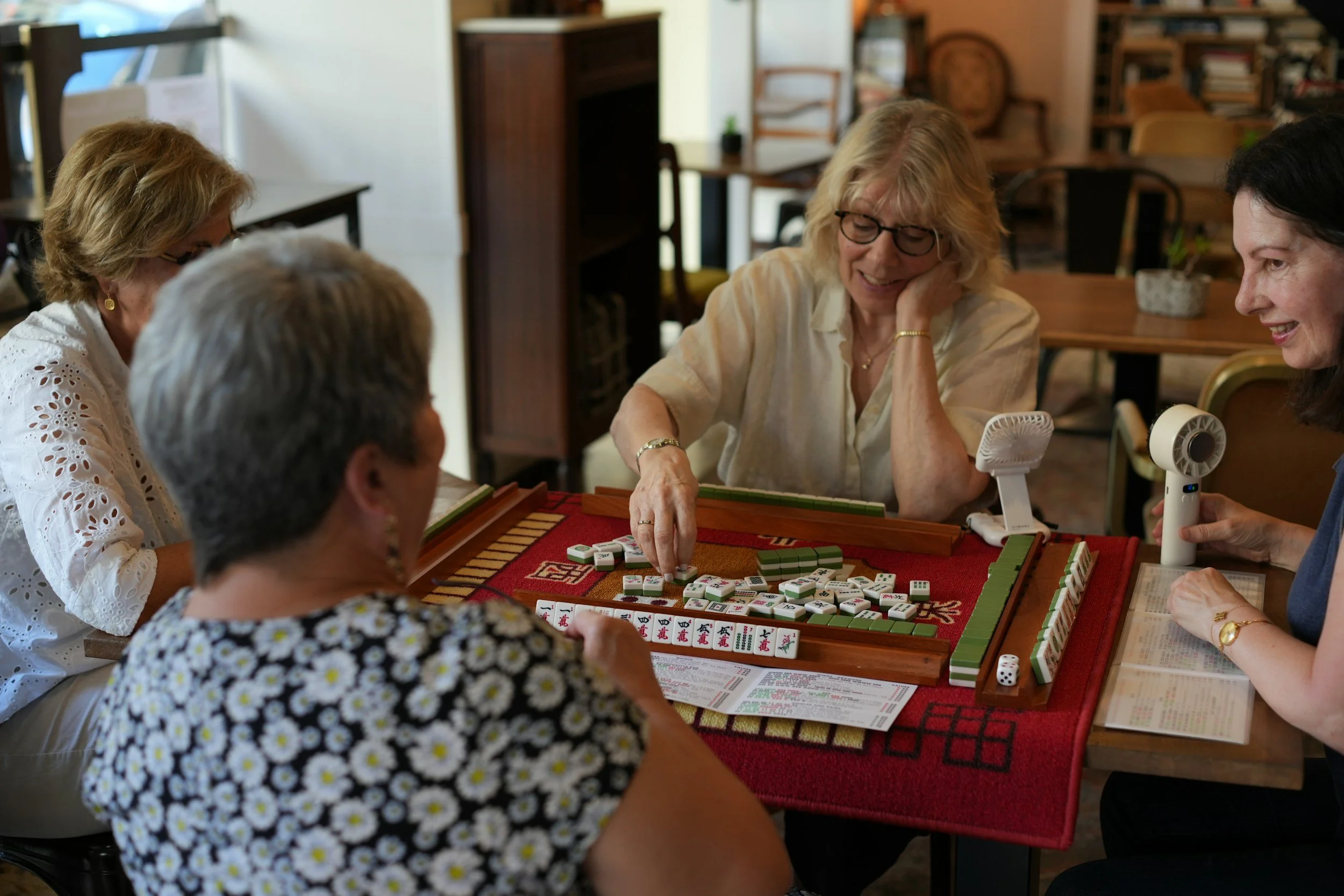
Resilience does not mean doing everything alone. In fact, connection is one of the strongest predictors of emotional well-being.
Support can include:
Talking to a trusted friend
Asking for help with responsibilities
Setting boundaries
Seeking therapy
Allowing yourself to be supported is a form of strength, not weakness.
The Role of Self-Compassion in Resilience
Self-compassion is one of the most important, and often overlooked, components of emotional resilience. Many women are highly self-critical, especially during stressful times. They may blame themselves for struggling or feel they should be handling things better. Self-compassion shifts this internal dialogue.
Instead of saying:
“I shouldn’t feel this way.”
“I should be able to handle this.”
You begin to say:
“This is hard right now.”
“I’m doing the best I can with what I have.”
“I can be kind to myself in this moment.”
Self-compassion does not excuse problems or avoid responsibility. It creates emotional safety, which makes it easier to cope, problem-solve, and recover.
Why Resilience Grows Over Time
Emotional resilience is not built in a single moment. It develops through repeated experiences of:
Facing stress and recovering from it
Learning what helps you regulate
Practicing coping skills consistently
Allowing yourself to rest and reset
Receiving support when needed
Each time you move through difficulty and come back to yourself, resilience strengthens.
You Don’t Have to Be Perfect to Be Resilient
One of the biggest misconceptions about resilience is that it means never struggling. In reality, resilient people struggle too, they just have tools and support that help them move through challenges more effectively. You do not have to be endlessly strong. You do not have to handle everything alone. You do not have to suppress your emotions to be capable.
You Are Already Stronger Than You Think
If you are navigating stress, change, or emotional overwhelm, you may already be practicing resilience without realizing it. Every time you keep going, reach out for support, or take a small step toward caring for yourself, you are building strength. With time, support, and self-compassion, emotional resilience becomes not just something you rely on, but something you live.
To learn more about how Her Journey Counseling can help women visit my Women’s Mental Health Page.